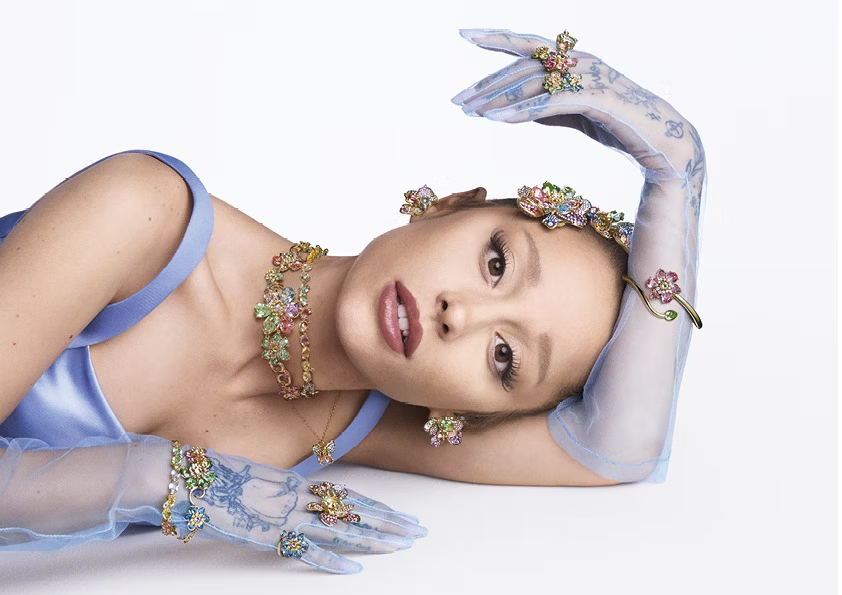
Swarovski’s Rebranding: From Crystal Heritage to “Pop Luxury” Marvel
Swarovski’s rebranding is a story of transformation—not from one luxury brand to another, but from tradition to relevance, from decorativeness to dynamism.
Browse the journal
Swarovski’s rebranding is a story of transformation—not from one luxury brand to another, but from tradition to relevance, from decorativeness to dynamism.

Its strategy reminds marketers everywhere that being “delightfully unhinged” — when done with intention — can be the most powerful form of storytelling in the social media age.
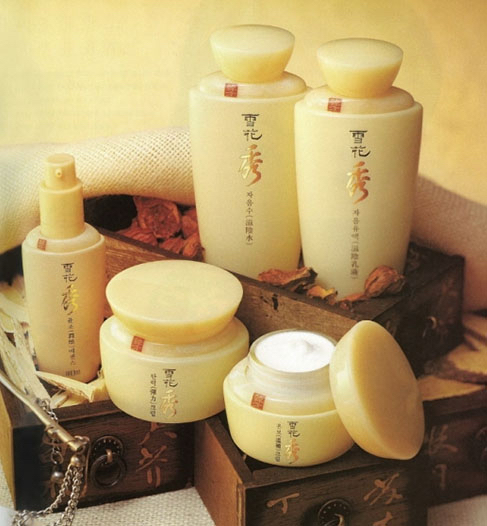
Korean beauty brands have mastered the art of storytelling not by selling flawless skin, but by celebrating living well.
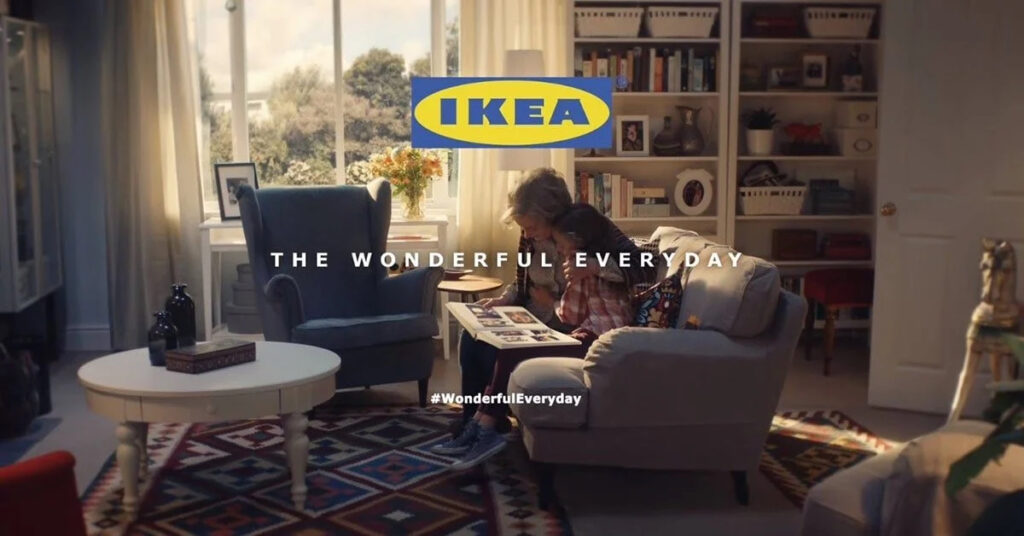
Every video, article, and campaign is part of a wider narrative about home, belonging, and better living. The brand doesn’t chase trends; it builds worlds.
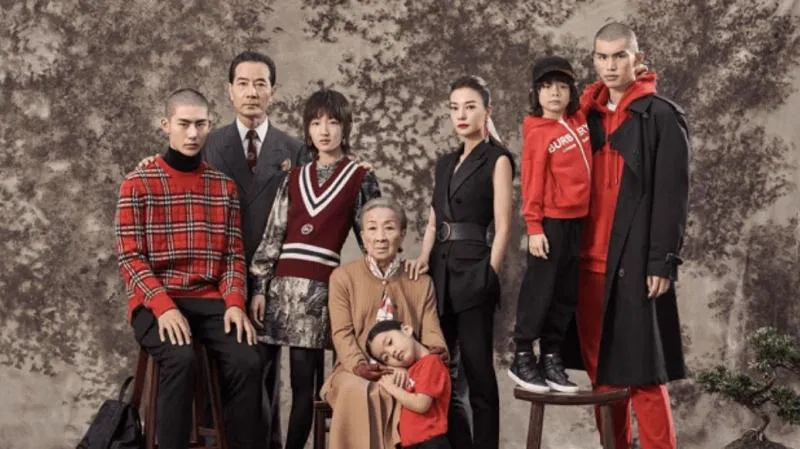
In China, marketing is diplomacy. Brands that honor local culture, empower local voices, and act with humility will thrive.
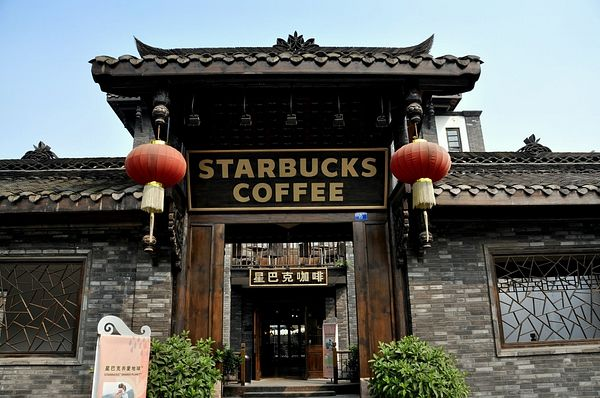
Success in Asia demands cultural sensitivity, digital adaptation, and localized storytelling that connects with consumers on their terms.

Whether it’s a luxury fashion house or a fast-food chain, brands that align with K-dramas tap into an unparalleled marketing channel.
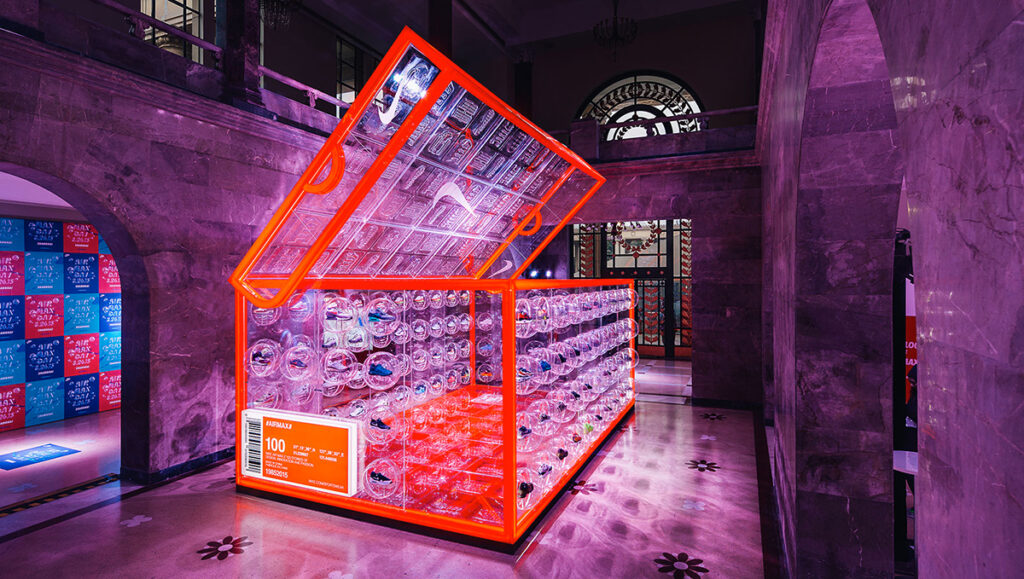
From luxury fashion houses in Tokyo to tech innovators in Shanghai and beauty brands in Seoul, pop-up stores are thriving across the region.
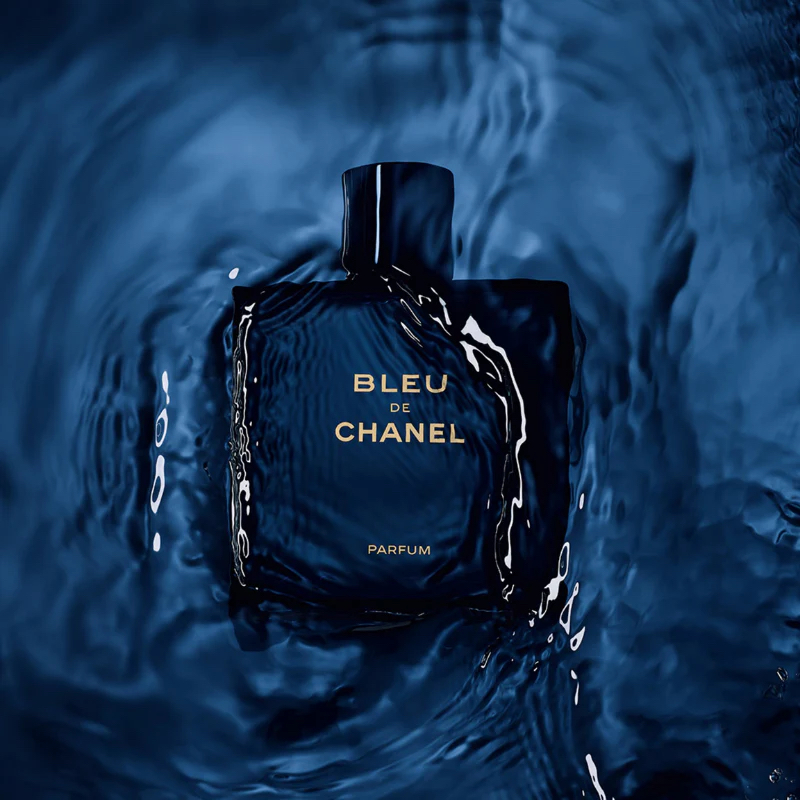
In the AI era, where algorithms optimize everything from ad copy to visuals, vibe is the one thing that can’t be faked.
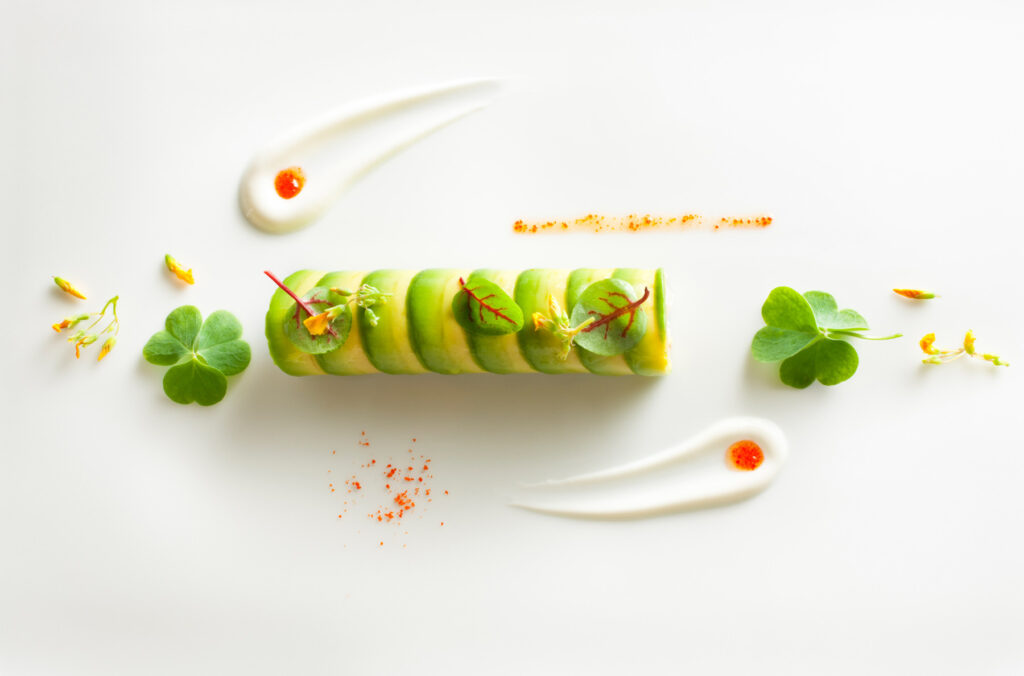
Fine dining marketing is not about selling tables; it’s about crafting prestige.